
Ranking Bali’s beaches from one to fifteen is a category error. The island’s coasts do fundamentally different things, and a beach that is perfect for one traveller is a poor choice for another on the same morning.
The colour of the sand tells you which coast you are standing on. Which coast you want depends on what you came to do — swim, surf, dive, or watch the light go.
Why Bali's beaches differ so much
Bali is volcanic, and that geology decides the coastline.
Rivers running off the central volcanoes carry basaltic sediment to the sea. Where they reach the coast — the southwest, from Tabanan through Canggu, and the northeast around Amed — the sand is dark grey to black, fine and heavy, and it holds the heat.
The Bukit Peninsula, the limestone plateau hanging off Bali’s southern tip, is different rock entirely. Its beaches are white, coarse, and sit at the foot of cliffs, reached by stairs cut into the rock.
The east and southeast — Sanur, Nusa Dua, Pandawa — sit behind reef, which is why they are the only part of the island where the sea is reliably calm.
Understanding those three coastlines gets you further than any ranked list.
The Bukit Peninsula — white sand and cliffs
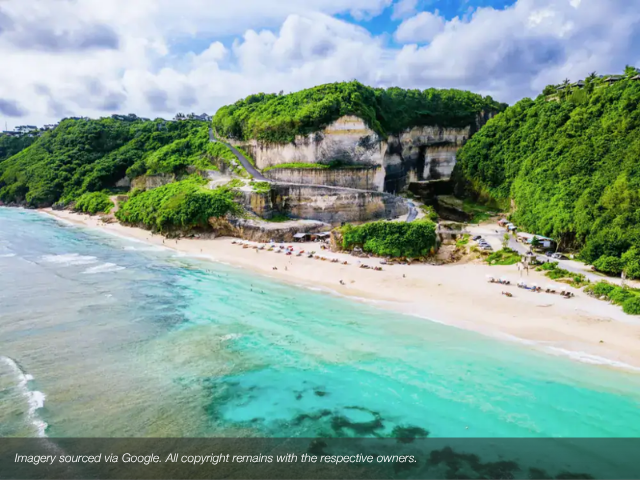
The postcard coast, and the most physically demanding to reach.
Bingin. A narrow strip of white sand at the base of a cliff, reached by a long descent through a warren of stairs and guesthouses. Superb at low tide, when the sand opens out; largely gone at high tide. A world-class reef break sits directly offshore.
Balangan. Longer and more open than Bingin, with the same white sand and easier access. Warungs along the cliff edge. One of the better sunset positions on the peninsula.
Padang Padang. Small, famous, reached through a gap in the rock. Beautiful, and busy in proportion.
Melasti. The exception on this coast: a wide, flat white beach with a dramatic engineered road cut down the cliff face, and space enough to absorb its own crowd.
Nyang Nyang. The long walk down keeps almost everyone away. Vast, empty, and a serious climb back.
Bukit beaches are for looking, walking, sunset and surfing. Swimming is possible in places at the right tide, but the reef is shallow and sharp, and this is not a coast for casual bathing.
The southwest coast — black sand and surf
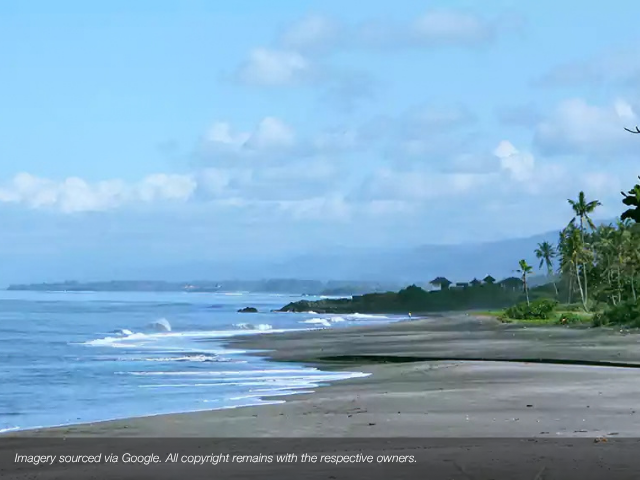
From Tabanan through Canggu, the coast is dark sand, open ocean, river mouths and consistent swell.
Kedungu. A wide black-sand beach in Tabanan with three breaks and a fraction of Canggu’s crowd. Rice fields run almost to the sand. It is a surf and sunset beach, not a swimming beach.
Nyanyi. Quiet, broad, dark sand, backed by farmland. Almost no infrastructure, which is the appeal.
Seseh. Similar, with a small fishing presence and a village behind it.
Pererenan and Echo Beach. Where the southwest coast starts becoming Canggu: consistent surf, cafés, and considerably more people.
The character of this coast is that it is still working farmland and fishing villages up to the sand line. That is disappearing quickly closer to Canggu and remains intact in Tabanan.
These are not swimming beaches. Open swell, strong rip currents, no reef protection. Surf, walk, watch the sunset — but treat the water with respect.
The east and southeast — where you can actually swim
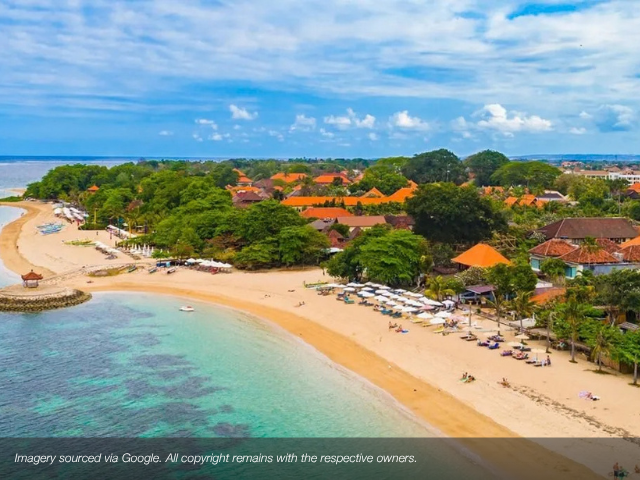
Sanur. Protected by reef, shallow, calm, with a paved path running for kilometres along the front. Lifeguards. The most genuinely swimmable stretch of the island, and the answer for families.
Nusa Dua. Manicured, white sand, calm water, largely fronted by resorts. Predictable in the way people either want or don’t.
Pandawa. A wide white beach reached through a corridor cut into limestone. Calm water, and busier than it was.
If swimming in the sea is essential to your trip, this coast is the answer, and it is worth knowing before you book somewhere on the other side of the island.
The northeast — black sand and diving
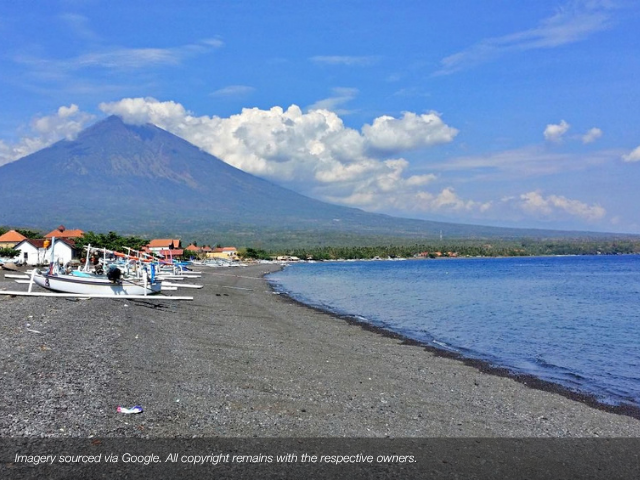
Amed. A string of dark-sand coves on the quiet northeast coast, with fishing jukung boats drawn up on the beach and reef within swimming distance of the shore. The pace is entirely different from the south.
Tulamben. Not a beach for lying on — a diving destination. The USAT Liberty, a wrecked American cargo ship, lies in shallow water a short swim from the shore and is one of the most accessible wreck dives anywhere.
Snorkelling and diving on this coast are the best in Bali proper.
The north — Lovina
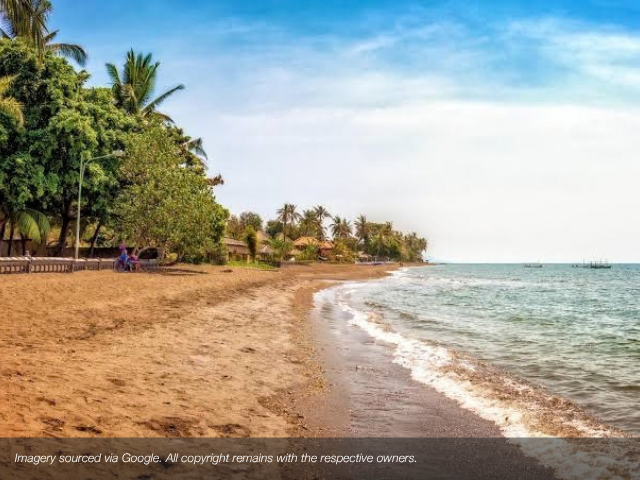
Dark sand, calm water, and a slow pace. Best known for early-morning dolphin trips, which have drawn criticism over boat crowding around the animals — worth researching operators carefully, or skipping.
Lovina rewards travellers who want quiet and are not looking for the postcard.
Which beach for which traveller
| If you want | Go to | Coast | Sand |
|---|---|---|---|
| Safe swimming | Sanur, Nusa Dua, Pandawa | East / southeast | White to pale gold |
| White sand and cliffs | Bingin, Balangan, Melasti | Bukit Peninsula | White |
| Surf, all levels | Kedungu, Echo Beach, Canggu | Southwest | Black volcanic |
| Diving and snorkelling | Amed, Tulamben | Northeast | Black volcanic |
| Sunset without the crowd | Nyanyi, Seseh, Nyang Nyang | Southwest / Bukit | Black and white |
| Quiet and slow | Lovina, Amed | North / northeast | Black volcanic |
Can you swim in Bali? An honest answer
Not everywhere, and the distinction matters more than any other advice on this page.
The west and southwest coasts have strong rip currents. These are open-ocean beaches with no reef protection. Rips form and shift, they are not always visible, and people drown on this coast every year — including strong swimmers who did not recognise what was happening.
Swim between the flags. Where lifeguards patrol — Kuta, Legian, Seminyak and parts of Sanur and Nusa Dua — the flagged area is the safe area. Many beautiful beaches, including most of the Bukit and the Tabanan coast, have no lifeguard at all.
If you are caught in a rip: do not swim against it. Swim parallel to the shore until you are out of the pull, then come in.
For dependable swimming, go east. Sanur behind its reef is calm on most days of the year.
This is the part of a Bali beach guide that gets edited out for being unglamorous. It is the part most worth reading.
When to go: the swell calendar
Bali’s two seasons reverse the conditions on opposite coasts.
| Season | Southwest & Bukit | East & northeast |
|---|---|---|
| May–September (dry) | Offshore winds, clean surf, clearest water. Peak season | Onshore winds, choppier |
| November–March (wet) | Onshore winds, messier surf, more debris after rain | Cleaner, calmer, better diving |
| April & October (shoulder) | Variable, often excellent, fewer people | Variable |
For the coasts covered in this guide, May to September is the reliable window. For Amed and Tulamben diving, the wetter months are frequently better.
River-mouth beaches on the southwest coast can carry debris after heavy rain — a wet-season reality that no brochure mentions.
Where to stay for the southwest coast
Most visitors experience the southwest coast from Canggu or Seminyak, which means experiencing it alongside a great many other people.
The Tabanan stretch — Kedungu, Nyanyi, Seseh — is twenty to thirty minutes further west and materially quieter. Rice fields still run to the sand. The sunsets are the same sunsets.

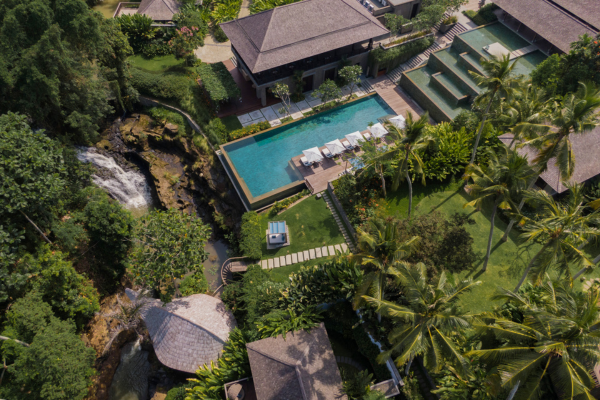
Nirjhara sits in Kedungu, a fishing village on this coast in Tabanan — Bali’s green agricultural province. Kedungu Beach is a two-minute drive, with three surf breaks and surf lessons through the local surfing community founded by a former member of the property’s team. It is a black-sand surf beach, not a swimming beach, and it is one of the least crowded stretches of coast within an hour of the airport.

The property itself is 25 villas built along a river, with a waterfall running beneath the pool deck and eighty-five per cent of suites facing the valley. The yoga shala was designed by IBUKU in bamboo. Ambu cooks from a 700m² organic garden on site. The Jungle Pool Villa opens onto the jungle. The airport transfer is approximately ninety minutes.
Inland, the same base puts Tanah Lot Temple seven minutes away and Bali’s rice terraces within forty-five — which is the argument for the Tabanan coast in one line: the beach is quiet and the interior is close.
Best Beaches in Bali FAQs
Which is the best beach in Bali?
There is no single answer, because Bali’s coasts do completely different things. For safe swimming, Sanur or Nusa Dua. For white sand under cliffs, Bingin or Balangan. For surf, the southwest coast. For diving, Amed or Tulamben.
Can you swim in the sea in Bali?
In some places. The east and southeast coasts — Sanur, Nusa Dua, Pandawa — are protected and generally safe. The west and southwest coasts have strong rip currents and are surf beaches, not swimming beaches. Always swim between the flags where lifeguards are present.
Why is the sand black on some Bali beaches?
Bali is volcanic. Beaches fed by rivers running off the volcanoes — the southwest and northeast coasts — have dark basaltic sand. White sand beaches sit where the coastline is limestone rather than volcanic, principally the Bukit Peninsula and parts of the east.
Which Bali beach is best for families?
Sanur, for calm shallow water behind a reef, a paved beachfront path and lifeguards. Nusa Dua is the alternative. Neither is on the surf coast, which is the point.
When is the best time for Bali beaches?
May to September for the west and southwest coasts, when offshore winds clean up the surf and the sea is clearest. The east coast is often better between November and March, when the pattern reverses.
What is Kedungu Beach like?
A black-sand surf beach on the Tabanan coast with three breaks and very few visitors compared with Canggu. It is a surfing and sunset beach rather than a swimming beach.


