
Most spa menus in Bali list a Balinese massage, and most visitors book one without knowing what it is. It is often described as a blend of other styles. That undersells it.
A Balinese massage is a full-body treatment built on long strokes, acupressure and stretching, with warm aromatic oils, and it comes from village healing traditions rather than from the spa industry.
This guide covers what happens during a Balinese massage, where it comes from, how it differs from the massages you may know, and how to tell a good one from a hurried one. For the island's spas themselves, see our guide to the best luxury spas in Bali.
What happens in a Balinese massage
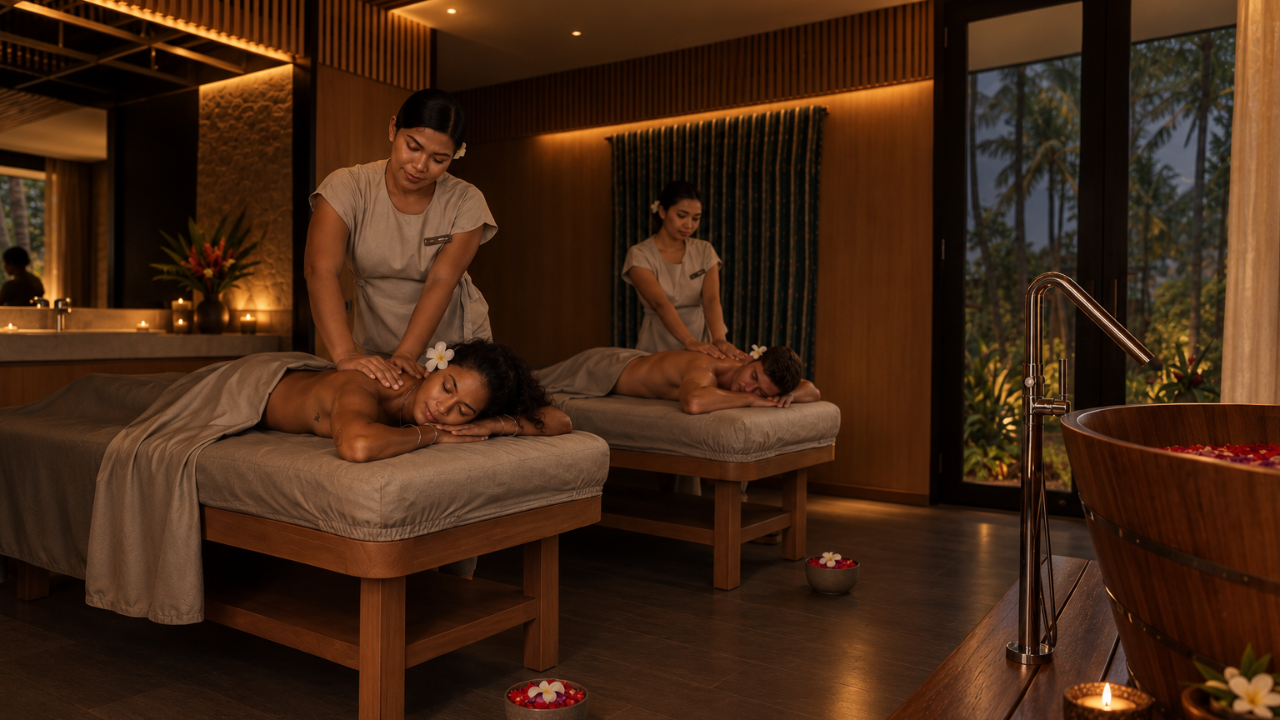
The treatment works across the whole body, usually from the back and shoulders to the legs, arms, scalp and face. The pressure moves between firm and gentle, and the therapist changes technique as the body responds.
Long, flowing strokes warm the muscles and spread the oil. They set the rhythm for the rest of the session.
Acupressure follows. The therapist presses with thumbs and palms on points along the body to release tension where it gathers, often across the shoulders and the lower back.
Skin rolling and kneading lift and work the tissue between the fingers. It is slower and more deliberate than it sounds.
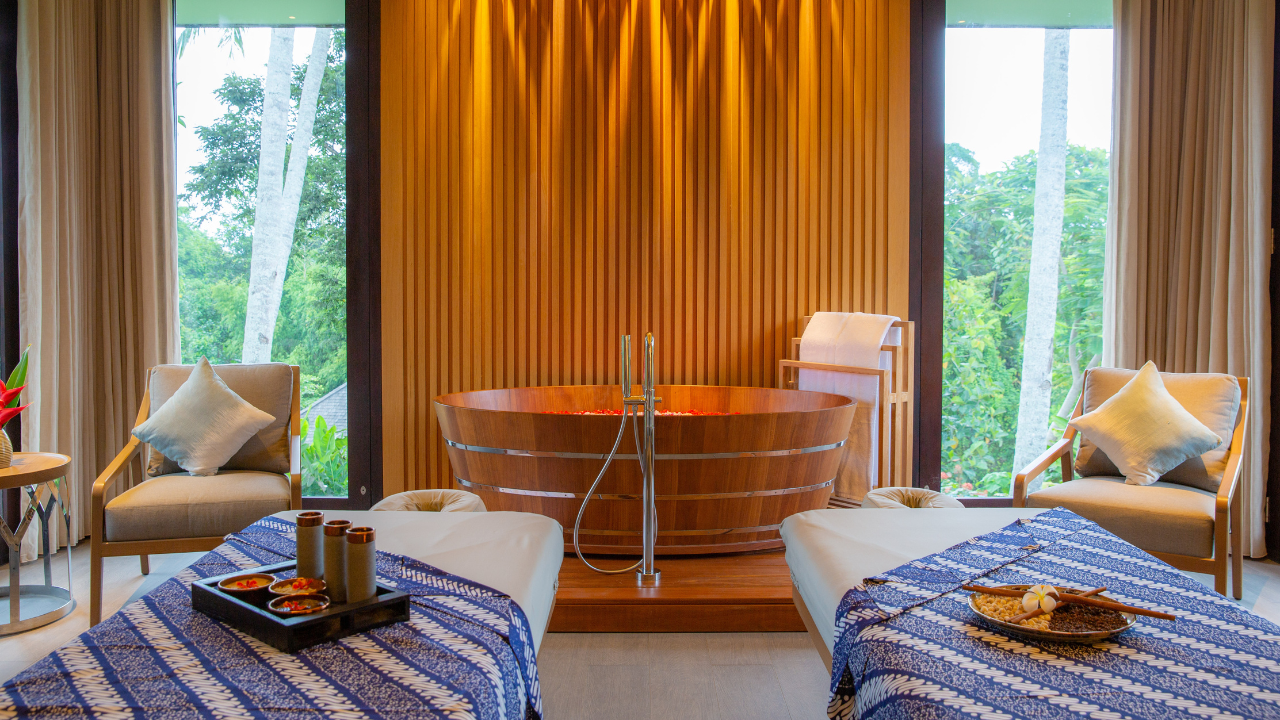
Gentle stretching opens the joints, with the therapist moving the arms and legs rather than asking you to move them yourself.
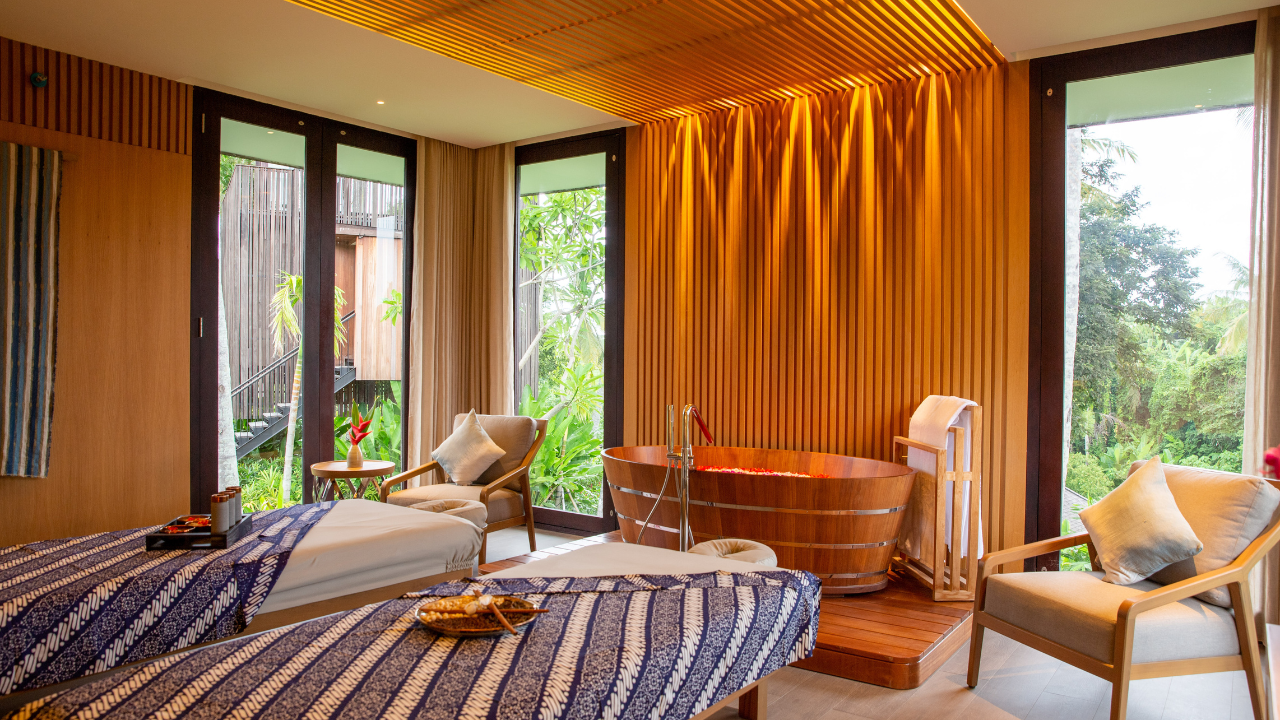
Aromatic oils carry the whole treatment. Scents drawn from the island, such as frangipani, sandalwood or lemongrass, are common, and a good therapist will ask which you prefer.
Where it comes from
Every Balinese village has its own traditional healer, the balian, and its own way of treating aches, fatigue and illness. Massage has long been part of that care, passed from healer to apprentice and from parent to child, with herbs, oils and spoken intention as much a part of it as the hands.
That is why no two Balinese massages are quite alike. What a spa calls a Balinese massage is a gathering of these village techniques into one treatment. The best therapists still work the way a healer would: they ask first, they watch how the body responds, and they adapt.
The treatment also sits inside a wider culture of care. Purification at a spring, an offering before a treatment, quiet after it: in Bali, the body and the spirit are rarely treated separately. Our guide to restorative rituals in Bali covers the rituals that sit around the treatment room.
How it compares with other massages
Visitors often ask whether a Balinese massage is closer to a Thai or a Swedish one. It shares something with both, and is neither.
| Massage | Main technique | Pressure | Oils | What it feels like |
|---|---|---|---|---|
| Balinese | Long strokes, acupressure, skin rolling and gentle stretching | Medium to firm, adapted as the session goes | Warm aromatic oils | Deeply relaxing, with focused work where tension sits |
| Swedish | Long gliding strokes and kneading | Light to medium | Oils or lotion | Smooth and soothing, with little focused pressure |
| Thai | Assisted stretching and rhythmic pressure, fully clothed | Firm | None | Active, closer to assisted yoga than to a massage |
| Deep tissue | Slow, sustained pressure on deeper muscle layers | Firm to strong | Light oil | Therapeutic, sometimes uncomfortable during the work |
If you want to sleep through a treatment, a Swedish massage may suit you better. If you want to be stretched, choose Thai. A Balinese massage sits between relaxation and real work on the muscles, and that is its appeal.
How to tell a good one from a hurried one
The name on the menu tells you little. These questions tell you more.
| Question | Why it matters |
|---|---|
| Does the treatment start with a conversation? | A good therapist asks about tension, injuries and preferred pressure before starting |
| How long is the massage itself, not the booking? | Changing, a foot ritual and tea can take a large part of the time you book |
| Can I choose the oil? | Shows whether the treatment is shaped around you or run to a script |
| Is the room quiet and private? | Sound from a corridor or the next room breaks the effect of the treatment |
| Can I rest afterwards? | The quiet after a Balinese massage is part of it, not an extra |
Tell the therapist about pressure early. Balinese therapists tend to be courteous and will not always ask twice. If the pressure is too firm or too soft, say so in the first few minutes.
Give it time. A Balinese massage needs at least an hour to cover the whole body properly. Ninety minutes is better if you want the slower work on the back and shoulders.
Plan around it. Book it for the late afternoon, after the sun and before dinner, and keep the hour after it free.
Balinese massage at Nirjhara
This is our own property, so read this section with that in mind.
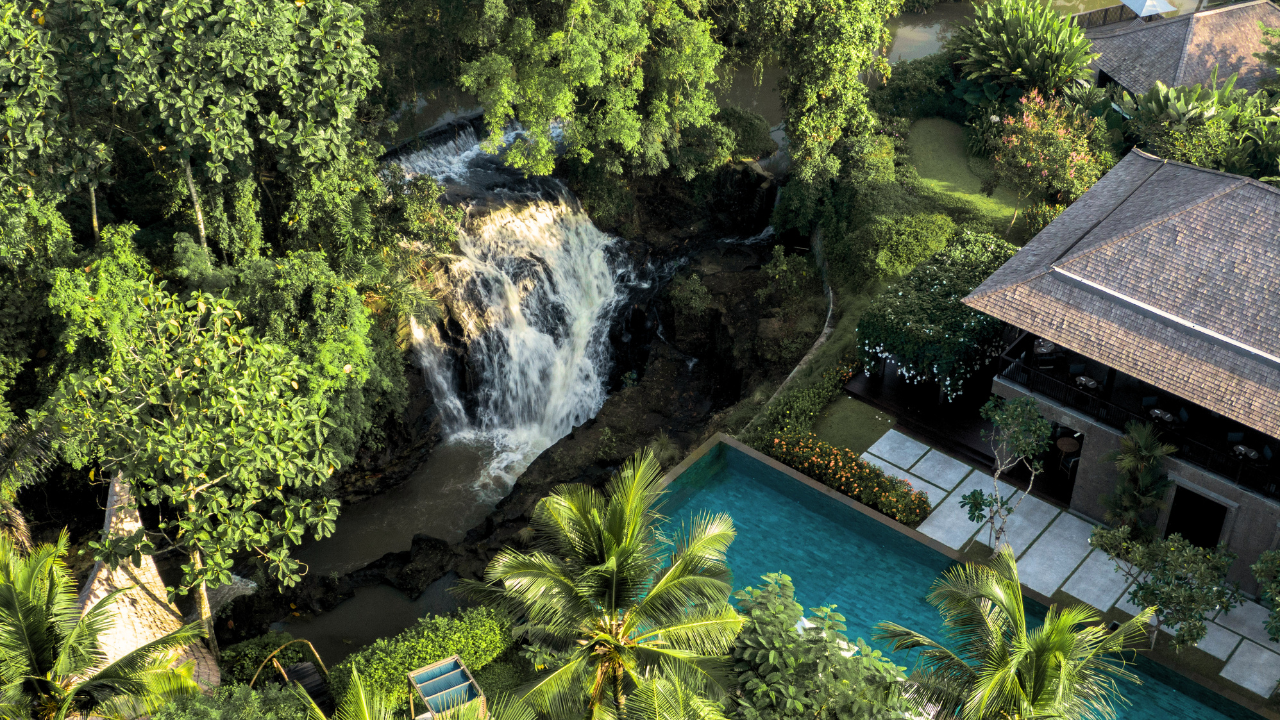
Nirjhara sits in Kedungu, Tabanan, on the southwest coast, in Bali's green agricultural province, among rice fields watered by the subak irrigation system. Our spa, The Retreat, is built around a reflection pool and is more sanctuary than spa: three treatment rooms, a manicure and pedicure room and two Finnish saunas. Yoga and meditation classes take place in our yoga shala, designed by IBUKU.
The Balinese Village Massage. It is inspired by the village healer tradition, in which each village has its own healer. You tell your therapist what you would like to focus on, from releasing tension to sleeping better, and the therapist crafts the treatment around it.
The Blessings. For a longer ritual, The Retreat offers five individual Blessings, most of them drawn from Balinese ceremony and belief: Melasti, the purification by the sea before Nyepi, Bali's Day of Silence, gives its name to the Cleansing Blessing, and Nyepi itself to the Sacred Sleep Blessing. Each begins with a foot ritual and ends with a tea ceremony; the Sacred Sleep and Ancient Reiki Blessings add sound healing and reiki techniques.
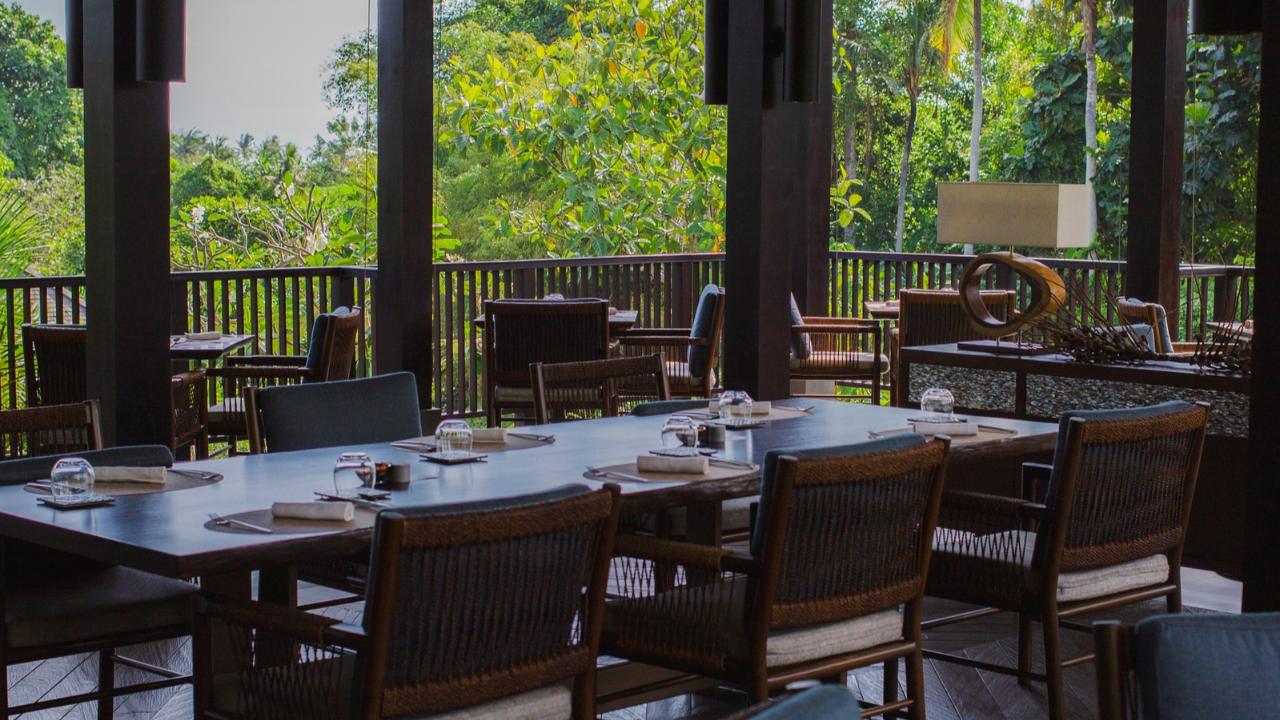
The rest of the stay. Our twenty-five villas include the Jungle Pool Villa, and 85 per cent of the suites have views. Ambu is our farm-to-table restaurant, drawing on a 700m² organic garden. Nirjhara holds One MICHELIN Key.
Getting here. The airport (DPS) is approximately 90 minutes away. Most visitors need a visa, which can be applied for in advance on Indonesia's official e-Visa site, evisa.imigrasi.go.id; our Bali e-Visa guide explains the process.
To see the full treatment menu, visit our wellness page. To book a stay, contact us.
Frequently asked questions
What is a Balinese massage?
A full-body massage that combines long strokes, acupressure, skin rolling and gentle stretching, using warm aromatic oils. It comes from the healing traditions of Balinese villages, and a good therapist adapts it to the person on the table.
Is a Balinese massage painful?
It should not be. The pressure is medium to firm and the acupressure can feel intense on tight muscles, but it should never hurt. Tell the therapist early if the pressure is too strong, because they will not always ask twice.
What is the difference between a Balinese and a Thai massage?
A Thai massage is given fully clothed, without oil, and relies on assisted stretching. A Balinese massage uses aromatic oils and combines strokes and acupressure with gentler stretching. Thai is more active; Balinese is more relaxing while still working the muscles.
How long should a Balinese massage be?
At least an hour to cover the whole body properly, and ninety minutes if you want slower work on the back and shoulders. Check how much of the booked time is the massage itself and how much is changing, foot rituals and tea.
What should you wear for a Balinese massage?
Most spas provide disposable underwear and a sarong or robe, and you are covered with a towel throughout, with only the area being worked on uncovered. If you are unsure, ask at the spa before the treatment begins.
When is the best time to have a Balinese massage?
Late afternoon works well, after time in the sun and before dinner. Leave the hour afterwards free, because the quiet after the treatment is part of its effect.


