
Bali has grown up — here is how to eat well in 2026 without resorting to TripAdvisor.

A decade ago, eating in Bali still meant a choice between very good warung food and a small handful of resort fine-dining rooms importing their flavors from elsewhere. That equation has changed. The island now has its own confident culinary identity, built by Indonesian chefs cooking Indonesian produce for a clientele that has learned to expect it. The best restaurants in Bali no longer hide behind imported European tropes; they put cassava, jackfruit, long pepper and line-caught local fish on the same plate and trust the room to keep up. This guide is structured the way a thoughtful concierge would structure the decision — pick the zone first, then pick the restaurant. We cover thirteen restaurants across five zones — Ubud, Seminyak, Canggu, Uluwatu and Jimbaran, and Tabanan — with a brief note on who each is for and why it earns the list.
How to read this shortlist — five zones, thirteen restaurants
Zone comes before restaurant because in Bali the journey changes the dinner. A serious tasting menu at Locavore in Ubud and a beach-club degustation at Mejekawi in Seminyak are equally accomplished evenings, but they are not the same evening. Ubud is where the tasting menus live — quiet, intent, chef-led. Seminyak is where beach-club fine dining and the long lunch belong. Canggu has built a quietly excellent scene of low-key creative kitchens. Uluwatu and Jimbaran trade in cliffside theater and seafood. Tabanan — Bali's green agricultural province, immediately west of the busy strip — is the only zone where farm-to-table is the rule rather than the marketing line. Match the evening you want to one of the five before booking a table.
Ubud — tasting menus and the new Indonesian kitchen
Ubud is where Bali's culinary ambition lives. The rooms are small, the formats are degustation-led, and the kitchens are increasingly Indonesian-run. Most reservations are released two to four weeks in advance.
Locavore
The single most important room in Bali's culinary maturation. A tasting-menu format anchored, since 2013, in a clear thesis — Indonesian produce, Indonesian techniques, no imported shortcuts. The dining room is deliberately quiet; the kitchen is the theater. Best for: a serious tasting menu evening that takes itself seriously without taking itself solemnly.
Mozaic
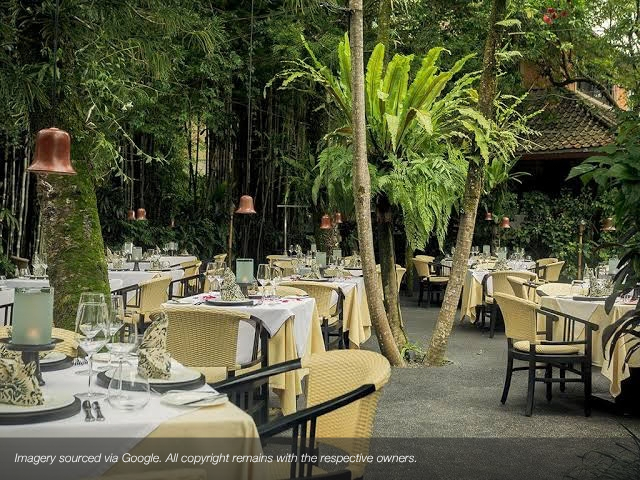
The grande dame of Ubud fine dining — a garden-set, French-Asian degustation room that has been part of the island's polite-celebration circuit for two decades. Chef Chris Salans's discovery dinners run for three hours and lean heavily on ingredients foraged that week. Best for: a grown-up celebration dinner with the architecture of a classic European tasting menu.
Room4Dessert
Will Goldfarb's dessert-only tasting menu remains one of Bali's strangest and best evenings. The format is theatrical — fourteen-odd courses, every one of them sweet, paired with cocktails built around Indonesian herbs and ferments — but the kitchen is rigorous. Eat early or eat late; it works either way. Best for: a different kind of dinner that you will remember the architecture of, not just the flavor.
Seminyak — beach-club fine dining and the long lunch
Seminyak is the most polished of Bali's dining zones — the rooms are larger, the lighting is warmer, the lunch can run into the evening without anyone noticing. The cooking covers more ground than Ubud's tasting-menu specialism.
Sarong
A lantern-lit pan-Asian room that built the template for romantic Seminyak dinners — colonial-bungalow architecture, long banquettes, a kitchen that moves confidently across Thai, Indonesian, Indian and Chinese plates. Best for: a polished first night in Seminyak when you want familiar Asian flavors done with care.
Merah Putih
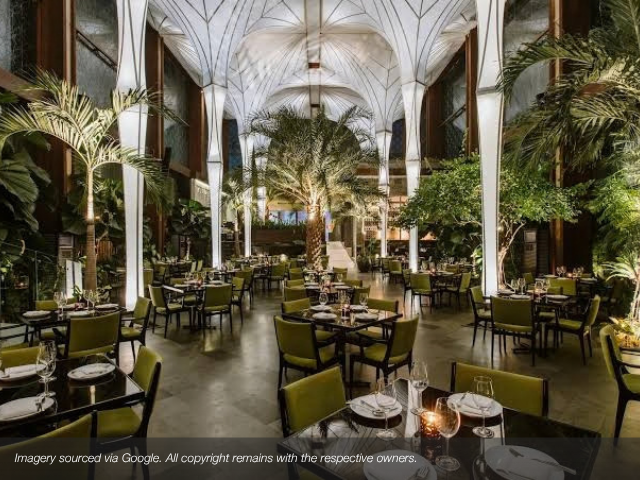
"Red and white" — Indonesia's flag — and the kitchen sets itself the brief in its name. Modern Indonesian cooking in a striking architect-designed room with a soaring ceiling, by a brigade that puts rendang and bebek betutu through the same precision a French kitchen reserves for confit. Best for: travelers who want Indonesian cuisine done seriously in a room that performs to the same standard.
Mejekawi by Ku De Ta
The chef's-table tasting room above Ku De Ta — eighteen seats, sunset framing, a tightly produced modern menu drawing on the broader Indonesian larder. Easy to underestimate because of the address; the cooking earns the booking. Best for: a tasting menu evening with the Indian Ocean reflecting in the windows.
Da Maria
A Neapolitan trattoria that lands somewhere between Roman lunch and Sydney's eastern beaches — loud, social, late, and one of the few rooms in Bali where a long lunch can stretch into a longer dinner without anyone signaling the end. The pizza is genuinely Neapolitan. Best for: a long Italian lunch that becomes a long Italian dinner.
Canggu — creative kitchens, low-key rooms
Canggu is where the new generation of Bali kitchens have set up — smaller rooms, tighter menus, less interest in the spectacle of Seminyak and the formality of Ubud. The bookings are easier, the cooking is quietly very good.
La Brisa
An open-air, reclaimed-wood beachfront room above Echo Beach — the kind of long, lazy seafood lunch that Bali used to specialize in and increasingly has to be searched for. The menu leans Mediterranean with a heavy Indonesian seafood backbone. Best for: a six-hour seafood lunch that stretches through afternoon to sunset.
Sangsaka
Twelve seats around a counter, a wood-fired hearth, and a tightly produced modern Indonesian menu that draws on the techniques of the archipelago's regional kitchens — smoked, charred, fermented, slow-cooked. Best for: a counter-side Indonesian dinner where the kitchen is in conversation with the table.
Saigon Street
A genuinely good Vietnamese street-food kitchen — pho, banh mi, fresh herbs, fish sauce confidently used — in a dim, busy room that runs the kind of value that has nearly disappeared from Bali's polished strip. Best for: a great-value flavor-led dinner that resets the palate after a week of beach-club degustations.
Uluwatu and Jimbaran — cliffside theater and seafood
The southern peninsula has its own dining logic — built around clifftops, bays and the sunset. The rooms are larger, the views are the headline, and the cooking holds its own against the setting.
Sundara at Four Seasons Jimbaran
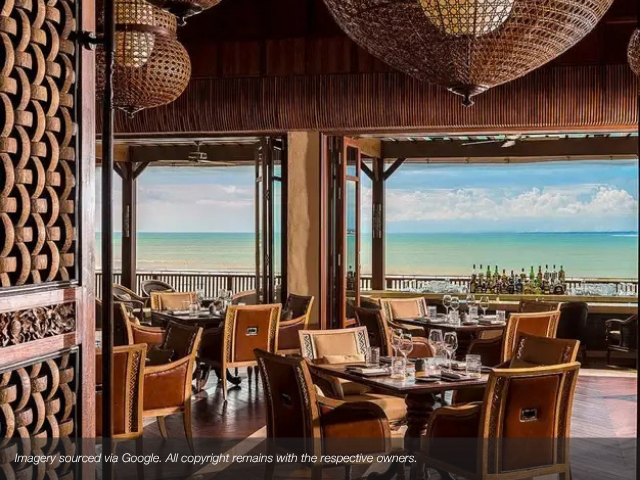
Beachfront pan-Asian and seafood with the bay reflecting back at the room. The Sunday lunch in particular has become a Bali institution. Best for: a sunset evening where the view is doing as much work as the kitchen — without the kitchen mailing it in.
Cuca
A small-plate, fine-dining room set in a Jimbaran garden — Spanish-Indonesian in spirit, tapas in format, with a craft cocktail bar that takes itself seriously. Best for: a lively evening of small plates and good cocktails where the conversation matters as much as any single course.
Tabanan — waterfalls, rice fields, farm-to-table
Tabanan is Bali's green agricultural province, immediately west of Ubud. It is quieter, less built-up, and the only zone on the island where farm-to-table is the rule rather than the marketing line — most of Bali's organic produce is grown here, and most of it leaves the province in trucks bound for Seminyak's kitchens. One restaurant is the exception.
Ambu at Nirjhara

Ambu is the dining room at Nirjhara, a twenty-five villa property in Kedungu, Tabanan. The format is naturally ventilated - no air conditioning, by design - open to the jungle, with a daily-changing menu shaped by what arrived from the gardens that morning. Over ninety per cent of the produce is sourced from Bali, the majority from Tabanan province or the 700-square-meter organic garden on the property itself: tomatoes, eggplant, cucumber, chilli, cassava, dragon fruit, butterfly pea, papaya, passion fruit. The kitchen brigade is one hundred per cent Indonesian. The fish is line-caught, exclusively from Indonesian waters between Bali and Lombok, with the single exception of Tasmanian salmon. Straws are cassava-based; the coffee is Tanamera in compostable capsules. There is no air-freighted wagyu, no truffle from Alba; there is the rendang that the family-run plantations down the road grew the chilli for. Best for: a dinner shaped by what the garden gave today, in the company of the people who grew it.
How to choose between zones
Match the evening you want to one of the rows below before booking a specific room. The five zones do five different things, and the right zone almost always picks the right restaurant for you.
| Restaurant | Zone | Cuisine | Vibe | Best for |
|---|---|---|---|---|
| Locavore | Ubud | Modern Indonesian tasting menu | Quiet, intent, chef-led | A serious tasting menu evening |
| Mozaic | Ubud | French-Asian degustation | Garden-set, established | A grown-up celebration dinner |
| Room4Dessert | Ubud | Dessert-as-tasting-menu | Theatrical, intimate | A different kind of dinner |
| Sarong | Seminyak | Pan-Asian | Lantern-lit, romantic | A polished Seminyak first night |
| Merah Putih | Seminyak | Modern Indonesian | Architectural, ambitious | Indonesian cuisine done seriously |
| Mejekawi | Seminyak | Modern tasting menu | Beach-club fine dining | Tasting menu with sunset framing |
| Da Maria | Seminyak | Neapolitan / Italian | Loud, social, late | A long Italian lunch into evening |
| La Brisa | Canggu | Seafood / Mediterranean | Open-air, beachfront | Lazy seafood lunches |
| Sangsaka | Canggu | Wood-fired Indonesian | Intimate, twelve-seat counter | A counter-side Indonesian dinner |
| Saigon Street | Canggu | Vietnamese street food | Casual, busy, low-lit | A great-value flavor-led dinner |
| Sundara | Jimbaran | Pan-Asian, seafood | Beachfront, polished | A sunset evening with the bay below |
| Cuca | Jimbaran | Tapas-style fine dining | Lively, garden setting | Small plates and craft cocktails |
| Ambu at Nirjhara | Tabanan | Farm-to-table Indonesian | Naturally ventilated, daily-changing | A dinner shaped by what the garden gave today |
Eating thoughtfully — sourcing, sustainability, and the new Bali kitchen

Bali's culinary maturation has not arrived as a wave; it has arrived as a quiet shift in what the kitchens choose to put on a plate. The most interesting rooms — Locavore, Sangsaka, Merah Putih, Cuca, Ambu — have stopped describing themselves by what they import and started describing themselves by what they refuse to. Truffle from Alba has been replaced with long pepper from Sulawesi. Imported beef has given way to free-range Bali pork from family farms in Tabanan. Air-freighted asparagus has quietly disappeared from the menus that matter. What has come in its place is an idea — that what grows within a one-hour drive ought to be the foundation of a Bali dinner, and that the brigade cooking it ought to be Indonesian.
This is the context in which farm-to-table at Ambu makes sense. The restaurant's premise is structural, not decorative: a 700-square-meter organic garden built into the property; a kitchen run by an Indonesian brigade; produce sourced ninety per cent from Bali, the majority from Tabanan or the garden itself; fish line-caught exclusively in Indonesian waters between Bali and Lombok, with Tasmanian salmon as the single, transparent exception. Cassava-based straws and Tanamera's compostable coffee capsules are downstream details, not the point — the point is that what arrives on the table reflects what the island can actually grow and catch in early May, in late August, in November when the rains start.
The shift is not unique to Tabanan. It is the same shift Locavore has anchored in Ubud since 2013, the same shift Sangsaka pursues at its twelve-seat counter in Canggu, the same shift Cuca runs in Jimbaran's garden. The geography is different. The thesis is the same. The best restaurants in Bali in 2026 are the ones that have learned to trust the larder under their feet.
Best Restaurants in Bali FAQs

What is Bali's best fine dining restaurant?
Locavore in Ubud is widely considered Bali's most serious fine-dining restaurant — a modern Indonesian tasting menu that has anchored the island's culinary maturation since 2013. Mozaic and Mejekawi by Ku De Ta are its closest peers, the first for a classical French-Asian degustation, the second for sunset-framed beach-club fine dining. Ambu at Nirjhara holds the same standard inside a farm-to-table format in Tabanan.
Where do locals eat in Bali?
Indonesian residents typically eat at warungs — small family-run kitchens serving nasi campur, nasi goreng and grilled fish at modest prices. They are the most authentic flavor-led experience on the island, and the best ones are deeply local rather than tourist-facing. For visitors who want the same regional flavors at a fine-dining standard, Merah Putih in Seminyak, Sangsaka in Canggu and Ambu in Tabanan are the most reliable bridges between warung cooking and the white-tablecloth room.
Can you do farm-to-table dining in Bali?
Yes. Ambu at Nirjhara in Kedungu, Tabanan, is built around the format: over ninety per cent of its produce is sourced from Bali, much of it from a 700-square-meter organic garden on the property itself, with a daily-changing menu shaped by what the garden delivered that morning and a one-hundred-per-cent Indonesian kitchen brigade. Locavore in Ubud, Sangsaka in Canggu and Cuca in Jimbaran also work closely with Indonesian growers, fishermen and family farms — each defines the term slightly differently, but each earns it.
What are the best restaurants in Ubud, Seminyak and Canggu?
Ubud: Locavore, Mozaic, Room4Dessert — three rooms that have defined the island's tasting-menu tradition. Seminyak: Sarong for a polished pan-Asian evening, Merah Putih for serious modern Indonesian, Mejekawi by Ku De Ta for a degustation with sunset framing, Da Maria for a long Italian lunch. Canggu: La Brisa for open-air seafood, Sangsaka for wood-fired Indonesian at a twelve-seat counter, Saigon Street for genuinely good Vietnamese street food.
Do you need to book Bali's best restaurants in advance?
For the tasting menus — Locavore, Mozaic, Mejekawi, Room4Dessert — book two to four weeks ahead during the dry-season peaks of July, August and December. For Seminyak's popular rooms and beach-club fine dining, a week is usually sufficient. Sundowner tables at Sundara and La Brisa should be booked the moment you confirm your dates; they sell out earliest. Ambu at Nirjhara is normally bookable closer to arrival but reserves priority for in-house guests.
Reserve at Ambu when staying at Nirjhara → nirjhara.com/en/dining/
This guide is maintained by the editorial team at Nirjhara Resort Bali, a twenty-five villa property in Kedungu, Tabanan, and a member of Small Luxury Hotels of the World.


